Contact & Visitor Information
- Home
- Contact
Connect for History
Tribal history preservation
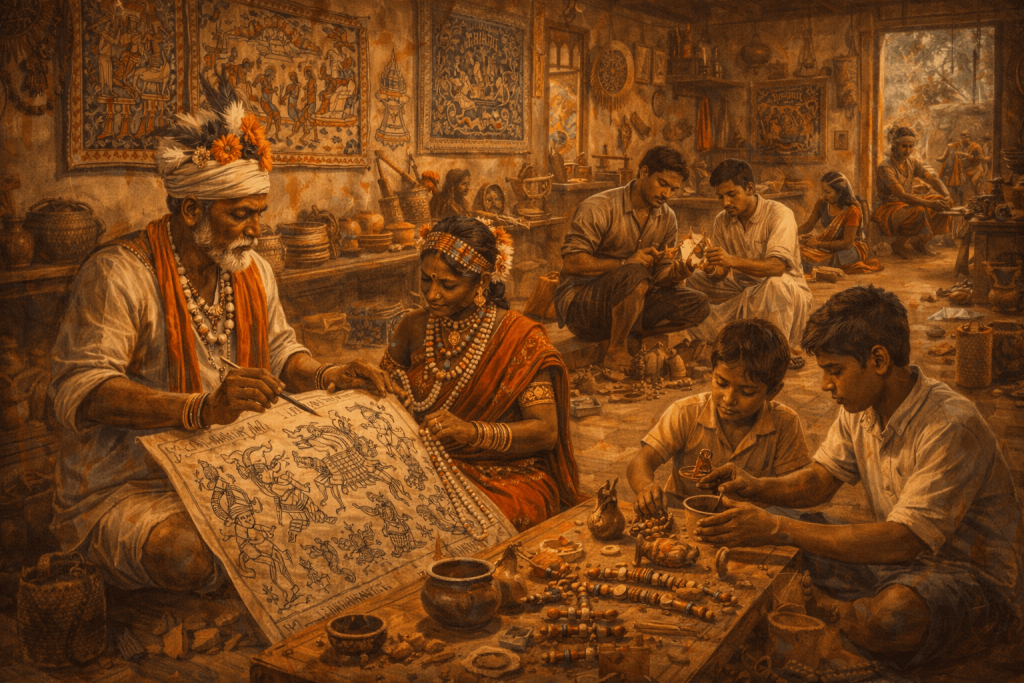
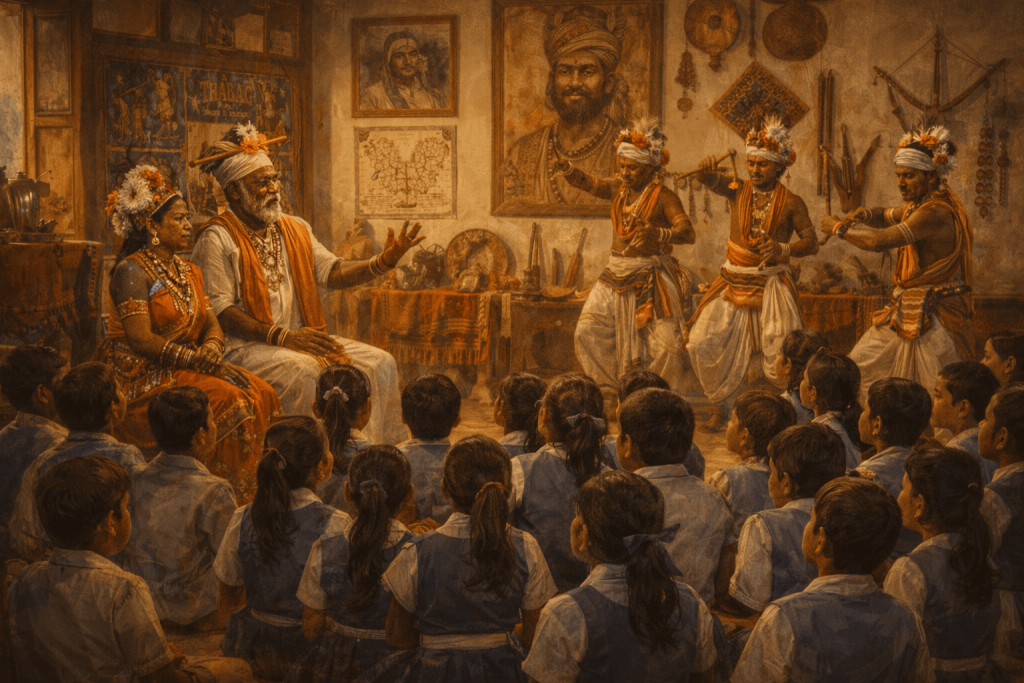
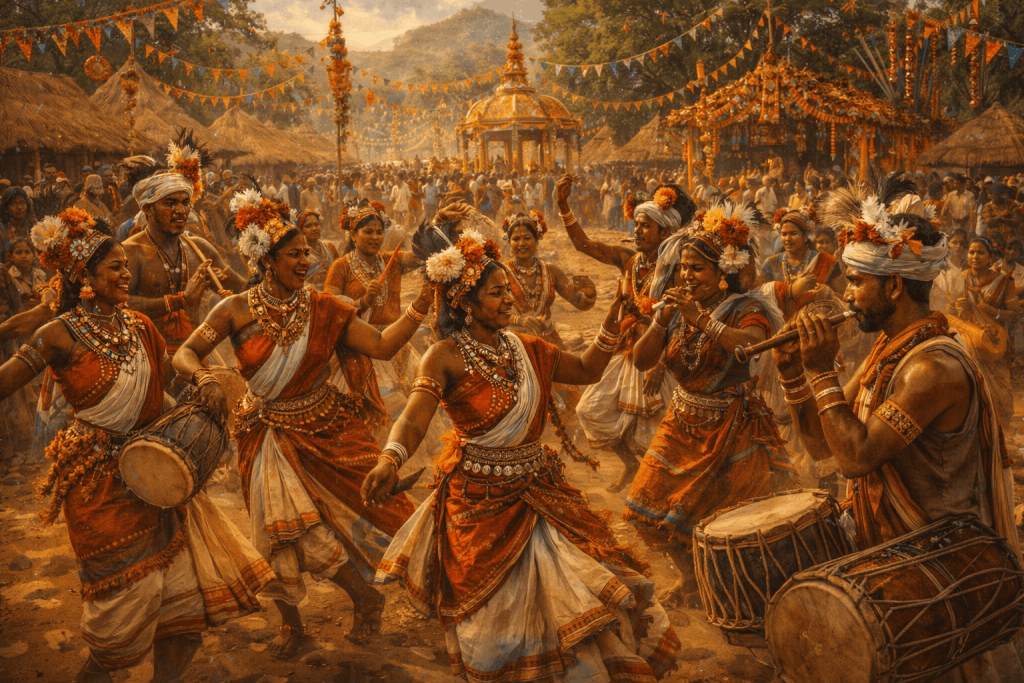
Tribal history preservation is essential for protecting the rich cultural heritage, traditions, and historical contributions of indigenous communities. Tribal societies possess unique identities shaped by their close relationship with nature, community living, and ancestral knowledge passed down through generations. Preserving this heritage helps maintain cultural diversity and ensures that the sacrifices, struggles, and achievements of tribal leaders and communities are remembered and respected. One of the most significant aspects of tribal history preservation is the protection of oral traditions. Many tribal communities share their history through storytelling, folk songs, rituals, and traditional performances. These oral narratives serve as living records of their past, teaching younger generations about their ancestors, cultural values, and historical events. Safeguarding these traditions helps maintain the authenticity and continuity of tribal heritage. Preserving cultural practices such as traditional dance, music, art, festivals, and rituals also plays a vital role in maintaining tribal identity. These practices reflect community beliefs, social structure, and spiritual values. Cultural preservation encourages younger generations to stay connected with their roots and promotes pride in their heritage. Another important aspect is documenting the historical contributions of tribal communities, especially their role in resistance movements and India’s freedom struggle. Tribal leaders like Chakra Bisoi symbolize courage, unity, and the defense of indigenous rights. Recording and promoting such historical narratives helps ensure that tribal contributions receive rightful recognition in mainstream history.
Freedom movement research
Freedom movement research plays a crucial role in understanding the struggles, sacrifices, and contributions of leaders and communities who fought against colonial rule.
Cultural awareness initiatives