
Paika Rebellion
- Home
- Paika Rebellion
What Was the Paika Rebellion?
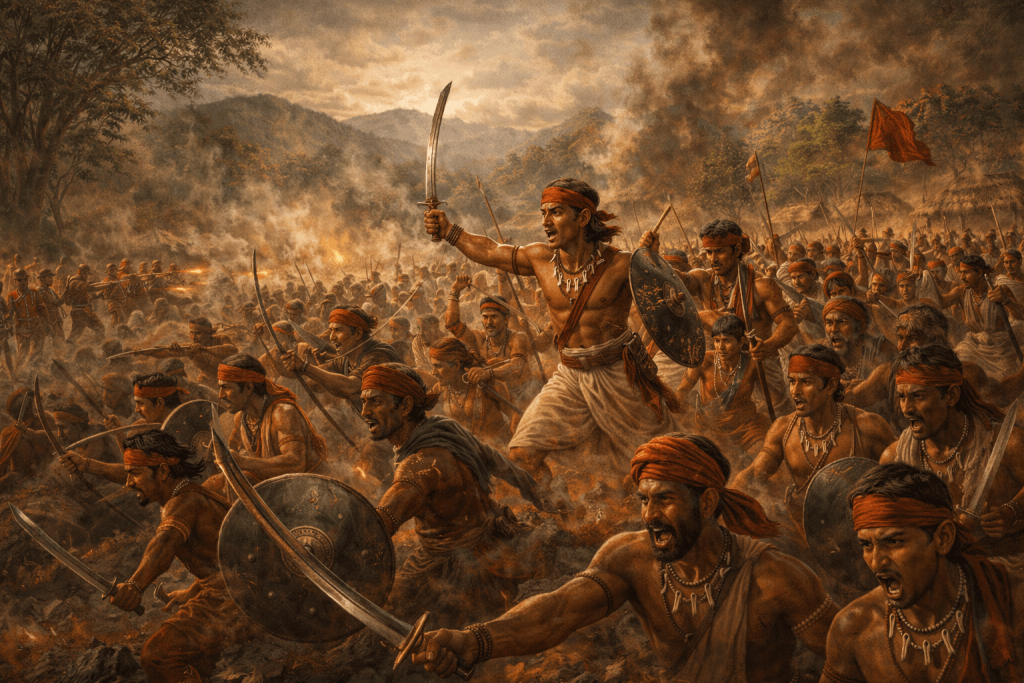
The Paika Rebellion of 1817 was one of the earliest organized armed uprisings against British colonial rule in Odisha. It was led by the Paikas, who were traditional warrior militias serving local kings and protecting regional territories. The rebellion emerged as a powerful resistance movement against the exploitative policies introduced by the British administration. The uprising involved not only Paika warriors but also tribal leaders, peasants, and displaced local rulers who were severely affected by British land reforms, heavy taxation, and administrative control. The colonial policies disrupted traditional governance systems, deprived local rulers of their authority, and threatened the livelihood and cultural identity of indigenous communities. The rebellion was fueled by widespread dissatisfaction among the people of Odisha, who united to challenge British authority and restore their traditional rights and social systems. Tribal leaders like Chakra Bisoi played a crucial role in mobilizing local communities, strengthening resistance efforts, and supporting the Paika warriors in their fight against colonial domination.
Objectives of the Movement
End British Exploitation and Revenue Policies
One of the primary objectives of the movement was to oppose the oppressive revenue system introduced by the British. Heavy taxation, unfair land settlements, and rigid collection methods placed immense financial burdens on peasants and tribal communities. Traditional landholders were dispossessed, and many families struggled to sustain their livelihoods. The rebellion aimed to put an end to these exploitative practices and restore economic stability to the people of Odisha.
Restore Traditional Governance Systems
The British colonial administration disrupted long-established governance structures by reducing the authority of local kings, chieftains, and Paika militias. Traditional systems that once maintained regional stability and social order were replaced with foreign administrative control. The movement sought to reinstate indigenous governance models that were rooted in local customs, community participation, and respect for ancestral leadership.
Protect Tribal Lands, Forests, and Livelihoods
For tribal communities, land and forests were not only economic resources but also sacred elements of their cultural identity. British policies restricted access to forest produce, imposed control over natural resources, and interfered with traditional practices. Protecting ancestral lands and preserving forest rights became a central objective of the resistance. The movement aimed to safeguard the environment that sustained tribal life and ensure the continuity of indigenous traditions.
Resist Colonial Military and Administrative Control
The increasing presence of British military forces and administrative officers symbolized foreign domination and loss of autonomy. The rebellion aimed to challenge this control and assert regional independence. By mobilizing Paika warriors and tribal fighters, the movement sought to confront colonial power directly and demonstrate the strength of collective resistance.
Role of Chakra Bisoi
Warrior Organizer
United tribal fighters against British rule.
Paika Supporter
forces led by Bakshi Jagabandhu.
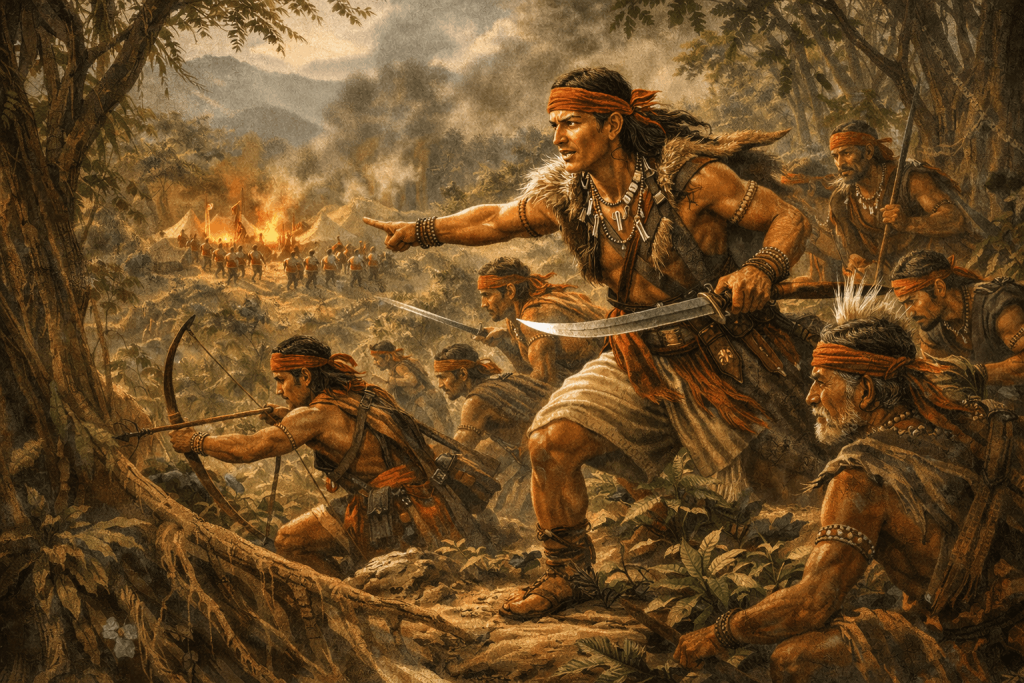
Guerrilla Fighter
Led strategic forest-based attacks.
Resistance Leader
Inspired mass tribal participation.
Impact
The Paika Rebellion significantly challenged British authority in Odisha and exposed the growing resistance against colonial rule. It united warriors, tribal communities, peasants, and local rulers in a powerful movement against exploitation and injustice.
Although the uprising was eventually suppressed, it became one of the earliest organized freedom movements in India. The rebellion inspired future resistance efforts and highlighted the courage, unity, and determination of indigenous communities in defending their rights, culture, and independence.