
Tribal Leadership & Social Values
- Home
- Tribal Leadership & Social Values
Unity among tribal communities
🌿
Collective Living and Cooperation
Tribal societies emphasize working together for community welfare. Decisions are often taken collectively through community councils, where elders and leaders guide social, cultural, and administrative matters. This system strengthens
🏹
During Resistance Movements
Unity played a crucial role during resistance movements like the Paika Rebellion. Leaders such as Chakra Bisoi brought together different tribal groups and warriors, strengthening the fight against colonial oppression through
🎭
Cultural and Social Bonding
Festivals, rituals, dance, and storytelling create strong social bonds among tribal communities. These traditions encourage togetherness, promote cultural pride, and help pass ancestral values from one generation to another.
🤝
Preserving Identity and Heritage
Through unity, tribal communities continue to protect their traditions, land rights, and cultural heritage. Their collective strength helps maintain social balance and ensures the survival of indigenous knowledge and practices.
Cultural awareness initiatives

Land
Tribal communities have long defended their land from external control and exploitation.

Forest
Tribal communities actively protect forests through sustainable and eco-friendly practices.

Natural Resources
Natural resources like water, plants, and minerals support tribal livelihoods and daily needs.
Resistance Against Injustice and Exploitation
Resistance against injustice and exploitation has been a defining strength of tribal communities throughout history. Indigenous societies have consistently stood against external forces that threatened their land, culture, and freedom. Their resistance was not only a fight for survival but also a struggle to protect their dignity, identity, and traditional way of life. During colonial rule, tribal communities faced heavy taxation, forced land control, and restrictions on their natural resources. These policies disrupted their livelihoods and cultural traditions. Leaders like Chakra Bisoi inspired people to unite and resist oppression through courage, leadership, and collective strength. Tribal resistance movements emphasized unity, cooperation, and defense of ancestral rights. Such resistance played an important role in shaping early freedom struggles in India. Tribal warriors used their knowledge of forests and terrain to challenge powerful colonial forces. Their efforts highlighted the importance of justice, self-governance, and protection of community heritage. Even today, the legacy of tribal resistance continues to inspire social movements that promote equality, cultural preservation, and indigenous rights. Their struggle remains a symbol of courage, unity, and determination against injustice.
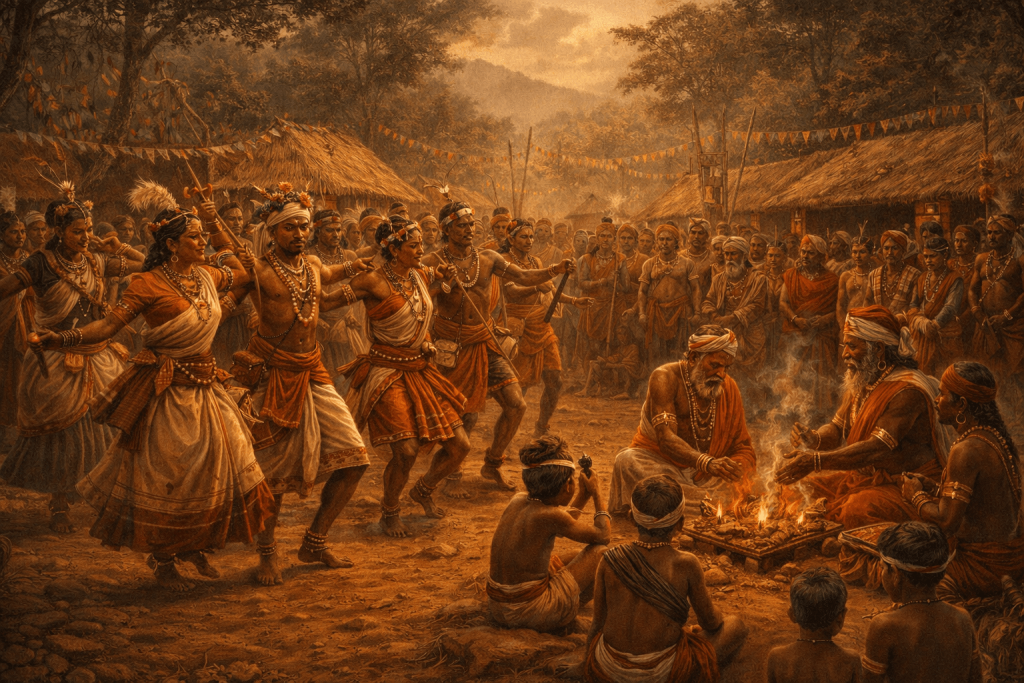
Preservation of tribal culture and identity
Preservation of tribal culture and identity is essential for maintaining the rich heritage, traditions, and values of indigenous communities. Tribal culture reflects a deep connection with nature, spirituality, and collective living, forming the foundation of their social and cultural existence. Protecting these traditions ensures that ancestral knowledge and cultural uniqueness continue to thrive across generations.